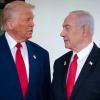
Tariff Triumphalism: Trump Hails Protectionist Policies as the Bedrock of American Economic Power

Tariff Triumphalism: Trump Hails Protectionist Policies as the Bedrock of American Economic Power

President Donald J. Trump hails the strategic implementation of tariffs as a primary driver of American economic success. Highlighting their historical role in building national power, Trump asserts that protectionist trade policies are essential for ensuring US industries remain globally competitive. A deep dive into the administration's "America First" economic resurgence and the return to industrial sovereignty.


WASHINGTON D.C. — In a definitive reaffirmation of his "America First" economic agenda, President Donald J. Trump has lauded the strategic use of tariffs as a cornerstone of the nation’s contemporary prosperity and historical dominance. Speaking from the capital, the President framed his administration’s aggressive trade policies not merely as a reactionary tool, but as a revitalizing force that has restored the United States' competitive edge on the global stage. Trump asserted that the "unprecedented success" witnessed under his tenure is inextricably linked to this shift toward a protectionist framework, which he claims has shielded domestic industries from unfair international competition while stimulating internal growth.

The President’s rhetoric drew heavily on a revisionist historical narrative, positioning tariffs as the traditional engine of American industrial might. He noted that for generations, the United States utilized trade barriers to transform from a nascent republic into a global superpower, suggesting that the recent pivot back to these measures is a return to a proven formula for national strength. By emphasizing that these levies are central to making American labor and manufacturing "globally competitive," Trump sought to consolidate his position as a champion of the domestic worker. This stance highlights an ongoing administrative shift away from the post-war consensus of neoliberal free trade, favoring instead a model of economic nationalism intended to reclaim industrial sovereignty and fortify the country’s financial foundations against external market pressures.

Beyond the immediate economic metrics, the President’s remarks underscore a broader administrative philosophy that views trade policy as a primary lever of geopolitical influence. By characterizing tariffs as an "historic" necessity, the administration is signaling to global markets and diplomatic partners that the era of open-border trade without reciprocity has concluded. This approach is expected to have long-reaching implications for international supply chains and diplomatic relations, as the White House continues to prioritize the fortification of the domestic economy over traditional multilateral trade agreements. As the administration moves forward, the legacy of these policies will likely be measured by their ability to sustain this promised industrial resurgence in an increasingly volatile global landscape.

About The Author

Post Comment

Comment List

Latest News

Live Cricket Score

Advertisement

Science & Tech

Tata Motors Sets New Segment Benchmark with the Launch of the 2026 Punch Facelift Tata Motors Sets New Segment Benchmark with the Launch of the 2026 Punch Facelift
Tata Motors launches the 2026 Punch facelift in India starting at ₹5.59 lakh. Featuring a new 120PS turbo-petrol engine, 10.25-inch...
ISRO’s Maiden 2026 Mission Faces Crisis as PSLV-C62 Veers Off Course, Threatening Vital Defense and AI Assets

Health

Coffee-Based Home Remedies Gain Ground as Dermatologists Highlight Natural Skincare Benefits Coffee-Based Home Remedies Gain Ground as Dermatologists Highlight Natural Skincare Benefits
A growing number of dermatologists are endorsing coffee-based home remedies as natural, affordable alternatives to commercial skincare. From face scrubs...
Moringa’s Rise as a Global Superfood Gains Momentum Amid New Research

Lifestyle

Cost of home-cooked veg, non-veg thalis falls 13 pc in November due to ease in input prices Cost of home-cooked veg, non-veg thalis falls 13 pc in November due to ease in input prices
The cost of preparing both vegetarian and non‑vegetarian thalis at home fell 13 per cent year‑on‑year in November, driven mainly...
10 budget honeymoon destinations for the newlyweds in India
crossorigin="anonymous">